Creating a greener home has never been more appealing, but it can feel a bit overwhelming, right? That’s why I put this list together. With so many indoor plants for home, it’s easy to want to fill your space with greenery. You might be craving that fresh, vibrant look of a lush indoor garden, but you may also care about sustainability. If you’re on a mission for an eco-friendly home, then you’re in the right place.
This post is for anyone looking to liven up their living space while making a positive impact. Whether you’re a seasoned plant parent or just starting out, these 19 sustainable indoor plants will bring life and freshness to your home. You’ll discover plants that are not only beautiful but also beneficial for your air quality and the environment. So, let’s dive in and explore the options that will make your home a greener, happier place!
By the end of this guide, you’ll have a curated list of plants that are sustainable and easy to care for. Each one of these picks is selected for its air-purifying abilities and low maintenance, so you can enjoy a thriving indoor garden without the stress. Get ready to take notes, because you won’t believe which plant made it to #11 on our list!
Key Takeaways
– Discover 19 indoor plants that are both sustainable and beautiful, enhancing your home’s decor while being eco-friendly.
– Learn about plants like the Snake Plant and Pothos, known for their air-purifying qualities and easy care.
– Find out which plants require minimal maintenance, making them perfect for busy lifestyles.
– Get tips on how to care for each plant, ensuring they thrive in your home environment.
– Explore the unique benefits of each plant, including their impact on mood and air quality.
1. Snake Plant
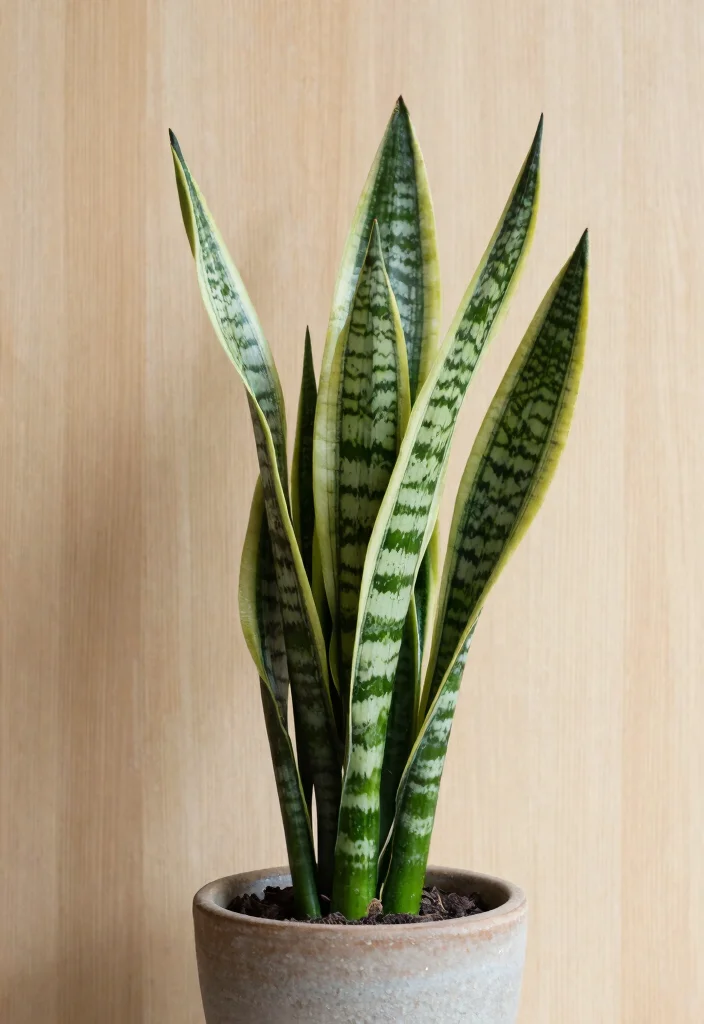
The snake plant, or Sansevieria, embodies resilience and elegance, making it a top choice for indoor greenery. Its tall, sword-like leaves, adorned with striking green and yellow edges, create a stunning visual impact in any space. This plant thrives in diverse lighting conditions, from dim corners to bright rooms, and requires minimal watering every few weeks, making it remarkably low-maintenance.
Beyond its beauty, the snake plant excels in air purification, filtering harmful toxins like formaldehyde and benzene. Position it in a chic pot on a shelf or table to enhance your decor while fostering a healthier indoor environment.
Consider these ideas to make the most of your snake plant:
– Pair it with a decorative ceramic pot for an elegant touch
– Use multiple plants together for a fuller look
– Incorporate it as a statement piece in your entryway
– Install it in a planter with drainage to ensure proper care
This plant not only adds sophistication but also contributes to a more breathable atmosphere, enriching your space with its unique textures and forms.
Snake Plant
Editor’s Choice




2. Pothos
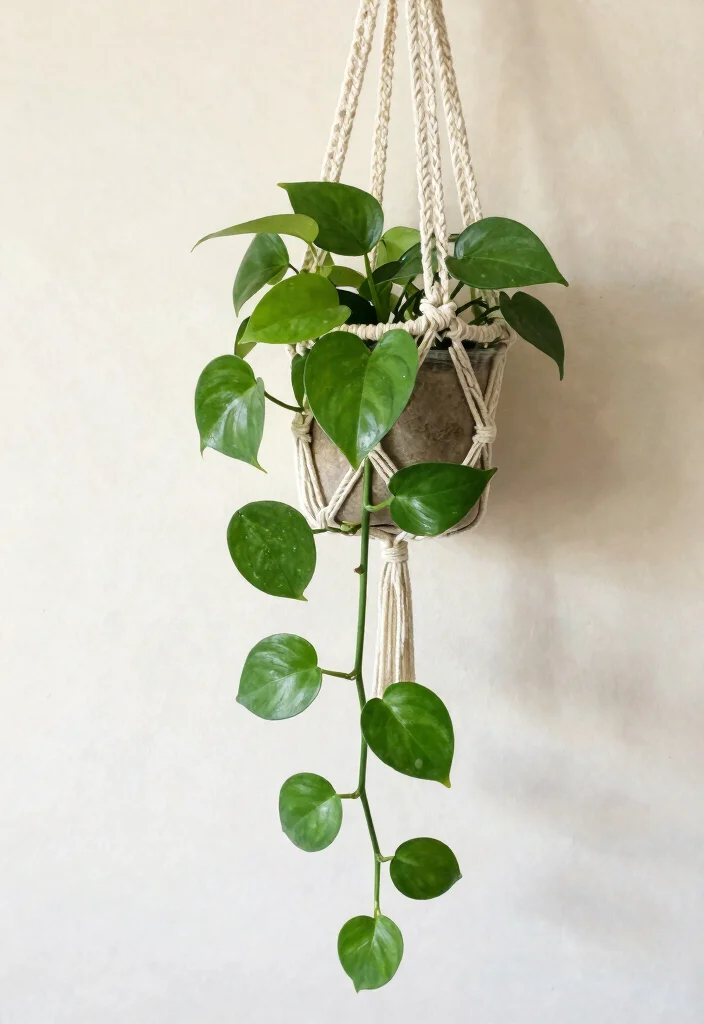
Pothos is a delightful choice for anyone looking to introduce greenery into their home effortlessly. With its trailing vines and heart-shaped leaves, this plant can create a lush, cascading effect that transforms your space. Available in various green hues, including stunning gold variations, pothos brings warmth and vibrancy to any room.
This adaptable plant flourishes in low to bright indirect light, requiring watering only when the top inch of soil feels dry. Its air-purifying properties make it an excellent addition to your home, helping to enhance indoor air quality.
Here are some creative ways to display your pothos:
– Hang it in a decorative basket for a boho vibe
– Use wall-mounted planters to save floor space
– Incorporate it on shelves to let vines drape elegantly
– Pair with other plants for a lush corner garden
With its charming growth habit, pothos not only beautifies your home but also contributes to a refreshing atmosphere, making it a beloved choice for plant lovers.
Indoor plants for home are the chill upgrade your space deserves. Pothos trail in soft greens, turning awkward corners into cozy, sustainable vibes—with low-light tolerance and water only when the top inch dries.
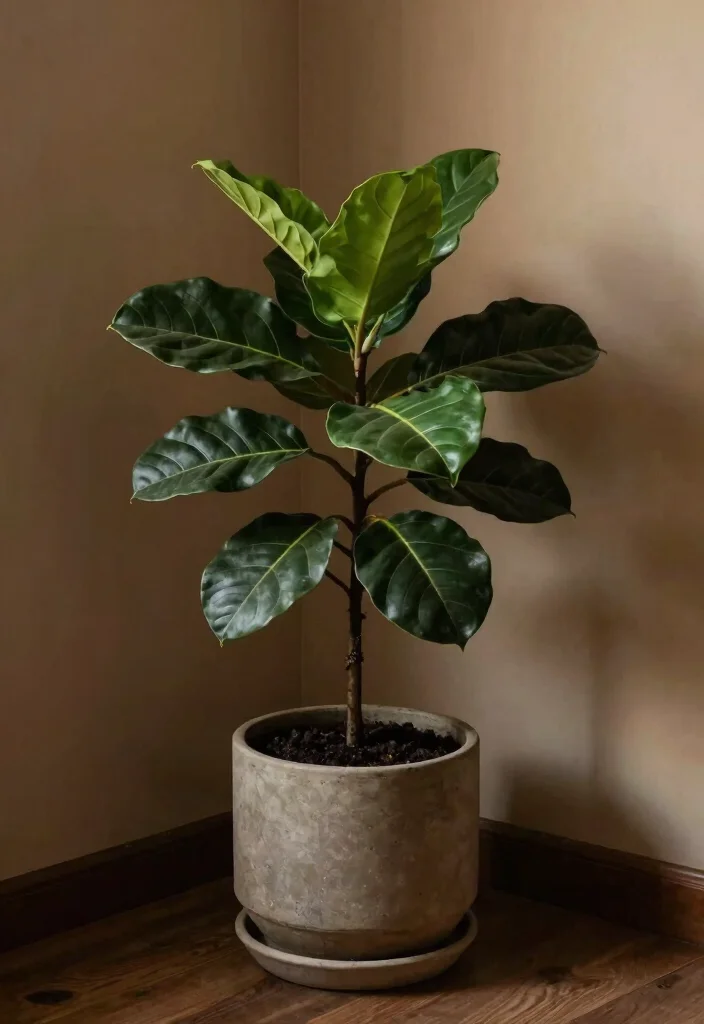
3. Fiddle Leaf Fig
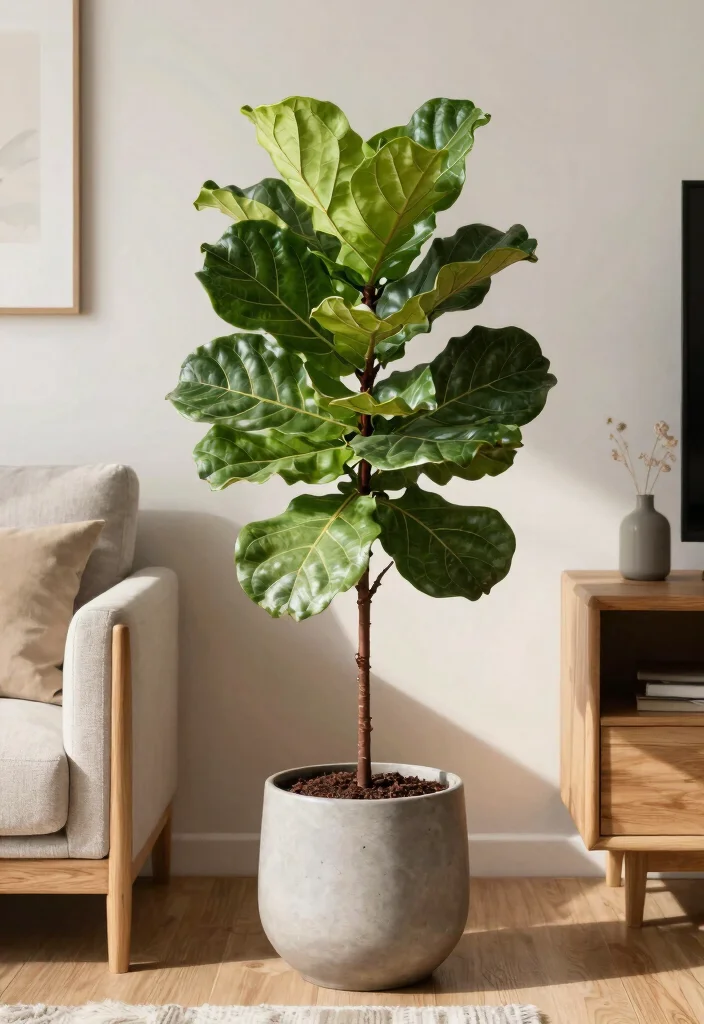
The fiddle leaf fig is a true statement piece, renowned for its large, glossy leaves reminiscent of violins. This plant boasts a bold presence, making it a favorite among interior designers who seek to create striking focal points. While it requires a bit more care, the aesthetic rewards far outweigh the effort.
Fiddle leaf figs thrive in bright, indirect light and prefer to be watered once the top inch of soil is dry. Regularly dusting its leaves can enhance their vibrancy and overall health.
To showcase this stunning plant, consider these tips:
– Position it in a bright corner to maximize light
– Use a stylish planter that complements your decor
– Incorporate it as a dramatic floor plant in larger rooms
– Rotate it periodically to encourage even growth
The fiddle leaf fig not only elevates your decor but also enhances the atmosphere with its lush green texture, making it a captivating addition to any room.
📹 Related Video: Fiddle Leaf Fig – The Ultimate Guide | The Plant Doctor | Apartment Therapy
4. ZZ Plant
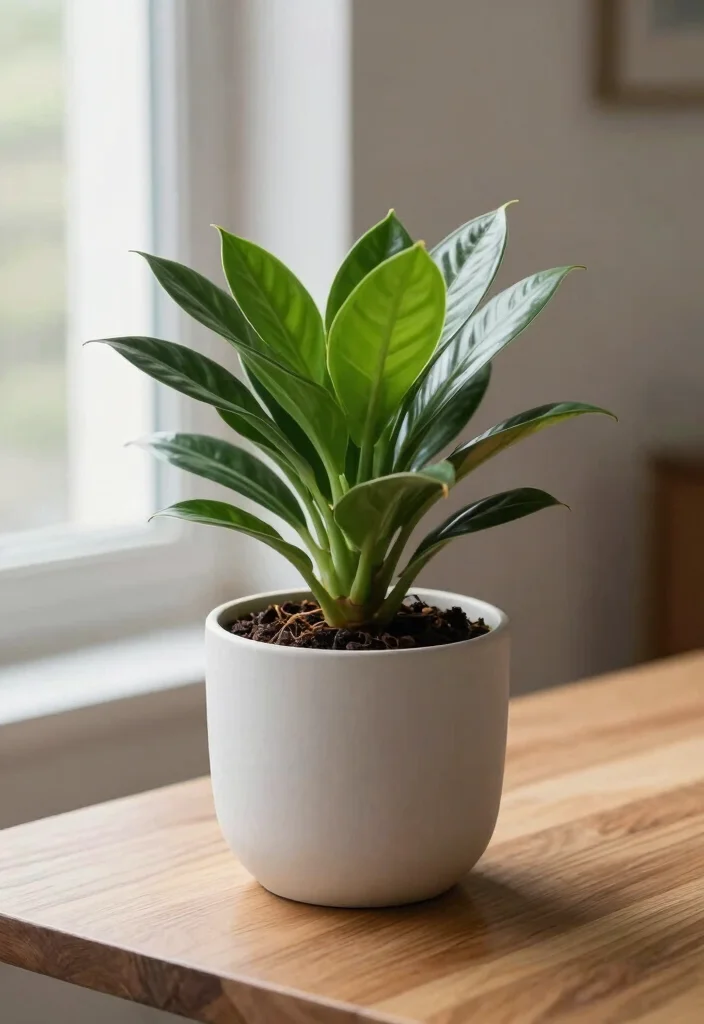
The ZZ plant is a remarkable choice for those seeking a stylish yet low-maintenance indoor plant. Its glossy, dark green leaves create a striking contrast, offering elegance to any space. This resilient plant flourishes even in low light and requires infrequent watering, making it perfect for busy lifestyles.
Beyond its visual appeal, the ZZ plant is known for its air-purifying qualities, ensuring a healthier home environment. Placing it in an attractive pot can enhance its charm, making it a lovely addition to desks or side tables.
Maximize your ZZ plant’s potential with these ideas:
– Use a decorative ceramic pot to add style
– Incorporate it as a stylish accent in your office
– Pair it with other plants for a layered look
– Install it on a shelf for added height
The ZZ plant not only beautifies your space but also contributes to improved air quality, making it a fantastic choice for any indoor setting.
ZZ Plant
Editor’s Choice




Ongoing Maintenance & Care Guide
Maintenance Schedule:
Daily/Weekly Tasks:
– Watering: Check the soil moisture of your indoor plants every few days. If the top inch feels dry, it’s time to water. This usually takes about 5-10 minutes.
– Dusting Leaves: Use a damp cloth to wipe dust off the leaves. This helps the plant breathe better and absorb light. Expect to spend around 5 minutes per plant.
– Rotating Plants: Rotate your plants once a week to ensure even growth. This task only takes a couple of minutes.
Monthly/Seasonal Tasks:
– Fertilizing: Feed your plants with a balanced fertilizer once a month during the growing season. This usually takes about 10-15 minutes.
– Pruning: Trim off any dead or yellowing leaves to encourage healthy growth. Spend 15-20 minutes per plant depending on its size.
– Repotting: Every 1-2 years, check if your plants need a bigger pot. This can take anywhere from 30 minutes to an hour, depending on the size of the plant and pot.
Maintenance Summary Table:
| Task | Frequency | Difficulty | Time Needed |
|——————–|—————-|————–|——————|
| Watering | Weekly | Easy | 5-10 minutes |
| Dusting Leaves | Weekly | Easy | 5 minutes |
| Rotating Plants | Weekly | Easy | 2 minutes |
| Fertilizing | Monthly | Moderate | 10-15 minutes |
| Pruning | Monthly | Moderate | 15-20 minutes |
| Repotting | Every 1-2 years| Moderate | 30-60 minutes |
Common Issues to Watch For:
⚠️ Yellow Leaves: This could mean overwatering or a lack of nutrients. Check soil moisture and consider fertilizing.
⚠️ Wilting: If the plant looks droopy, it might need water. Give it a good drink and see if it perks up.
⚠️ Brown Tips: This can signal underwatering or too much direct sunlight. Check the watering schedule and reposition the plant if necessary.
⚠️ Pest Infestation: Look for small insects or webbing on the leaves. If you find any, treat immediately with insecticidal soap or neem oil.
⚠️ Moldy Soil: This usually indicates overwatering. Allow the soil to dry out, and ensure your pot has good drainage.
Care Tips:
💡 Choose the Right Spot: Place your plants where they get appropriate light. Some plants thrive in bright light, while others prefer shade.
💡 Humidity Matters: Indoor plants like a bit of humidity. Mist them occasionally or place a water tray nearby to create a humid environment.
💡 Rotate Regularly: To keep your plants growing evenly, rotate them every few weeks. This helps them get light from all angles.
💡 Use Quality Potting Mix: Invest in good potting soil with the right mix for your plants. This can make a significant difference in their health.
💡 Observe Your Plants: Take time to watch your plants regularly. This way, you’ll notice any changes early and can address issues promptly.
5. Spider Plant
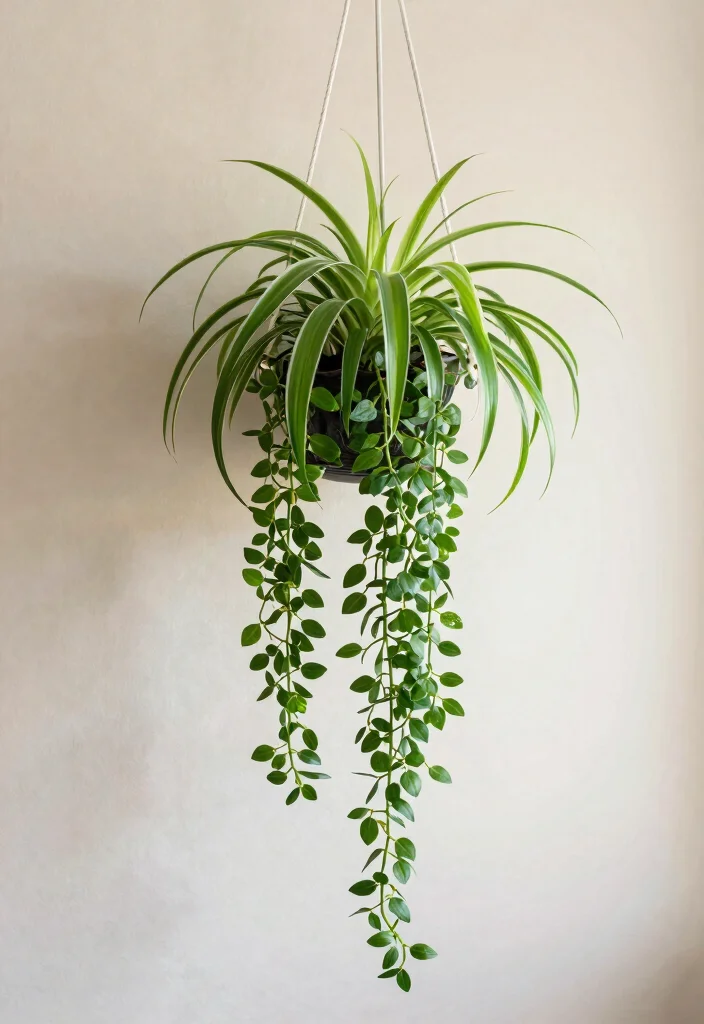
Spider plants are celebrated for their stunning arching leaves and exceptional air-purifying capabilities. The delightful ‘baby’ spider plants that dangle from mature plants create a beautiful effect that captivates the eye. Hardy and easy to propagate, spider plants adapt well to a variety of lighting conditions, making them versatile for any home.
They thrive in well-draining soil and benefit from occasional watering, especially during their growing season. As a bonus, spider plants are non-toxic to pets, making them a safe choice for families.
Enhance your spider plant experience with these tips:
– Repot every couple of years to encourage growth
– Hang in a macrame holder for bohemian flair
– Use decorative pots to elevate their aesthetic
– Trim brown tips regularly for a neat appearance
With their charming appearance and air-cleaning abilities, spider plants not only enhance your decor but also promote a healthier indoor atmosphere.
6. Peace Lily
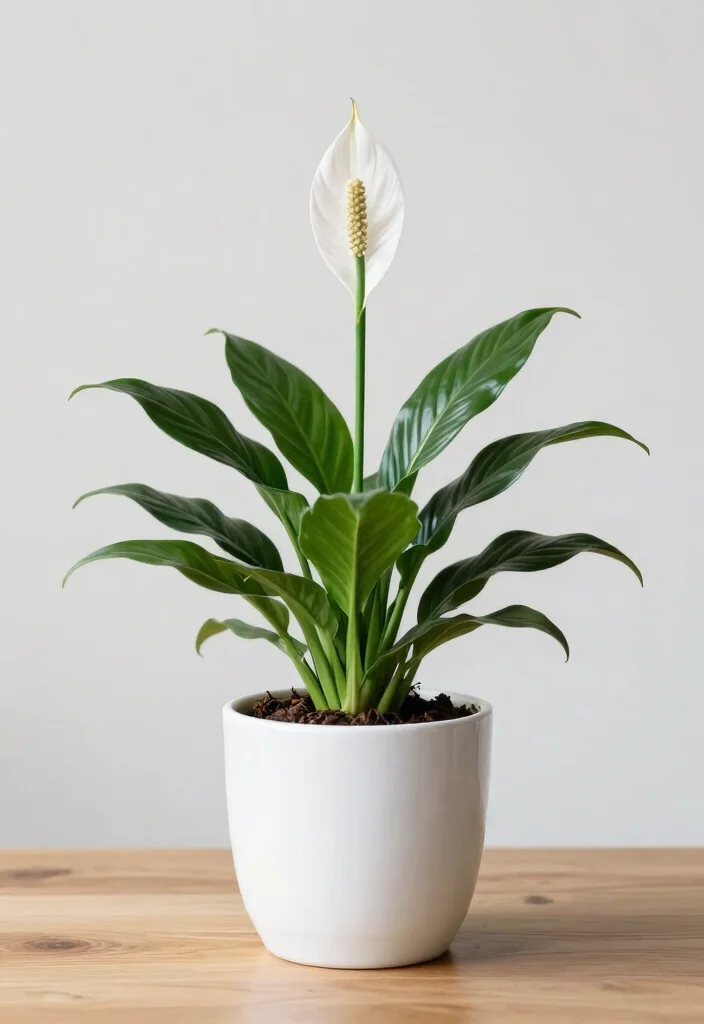
The peace lily is a delightful addition to any indoor space, known for both its beauty and air-purifying properties. Its elegant white blooms and lush foliage create a serene atmosphere, perfect for calming spaces. Peace lilies thrive in low to moderate light and prefer to be watered when the soil feels slightly dry.
Ideal for bedrooms and living rooms, peace lilies help reduce indoor pollutants while enhancing your decor’s beauty. They effortlessly combine function and style in your home.
To care for your peace lily effectively, consider these suggestions:
– Place it in a spot with filtered sunlight
– Use a decorative pot to showcase its elegance
– Monitor for drooping leaves as a watering cue
– Avoid direct sunlight to prevent leaf burn
The peace lily not only adds a touch of grace but also contributes to a healthier indoor environment with its air-cleaning capabilities.
7. Rubber Plant
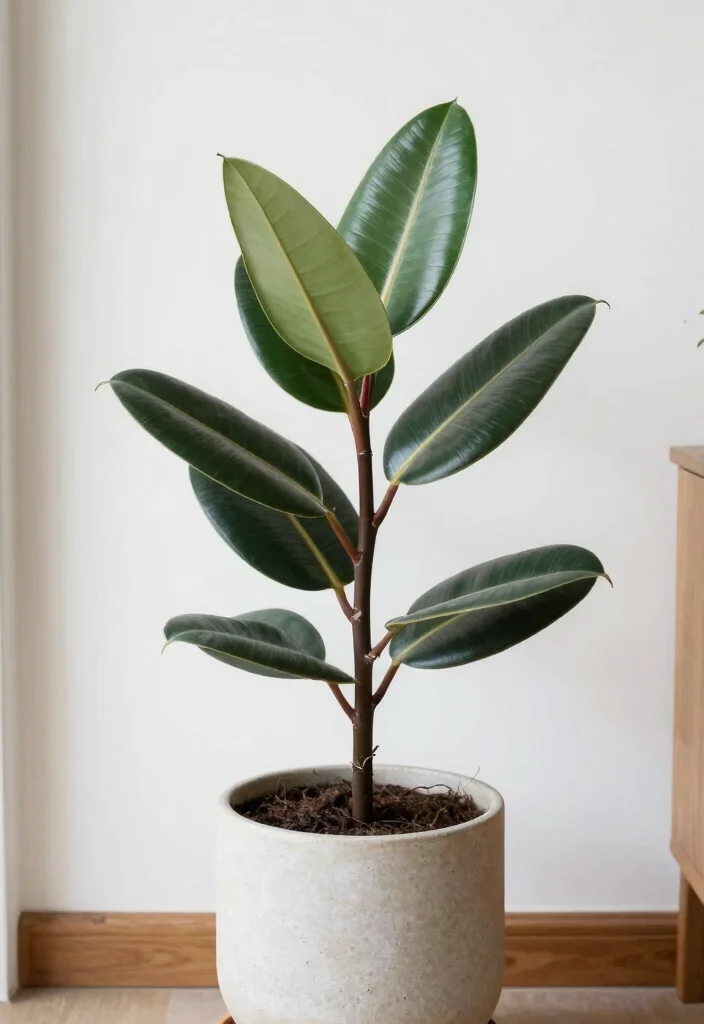
The rubber plant is a stunning indoor option, featuring large, glossy leaves that range from deep green to burgundy. This hardy plant thrives in bright, indirect light and can tolerate some neglect, making it suitable for novice plant parents.
Known for its air-purifying abilities, the rubber plant helps eliminate toxins, benefiting your well-being. Its tall growth makes it an excellent choice for filling empty spaces and adding drama to your decor.
Here are some tips for maximizing the beauty of your rubber plant:
– Rotate it regularly for even light exposure
– Dust the leaves with a damp cloth for shine
– Use a stylish pot that complements your space
– Prune as needed to maintain a balanced shape
With its striking appearance, the rubber plant not only beautifies interiors but also enhances air quality, enriching your living environment.
8. Boston Fern
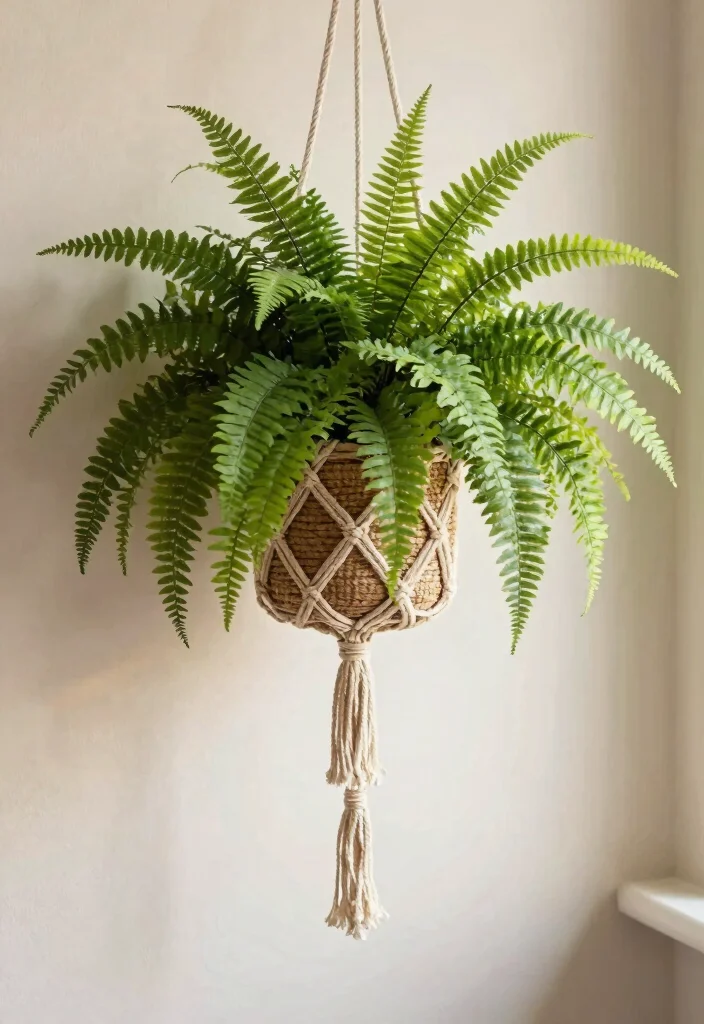
Boston ferns are treasured for their lush, feathery fronds that bring vitality and freshness to your home. These plants thrive in high humidity and indirect light, making them perfect companions for bathrooms or kitchens. They prefer consistent moisture, so regular misting can help them flourish.
Their air-purifying qualities make them excellent allies in improving indoor air quality. Boston ferns can be displayed beautifully in hanging baskets or on shelves, allowing their vibrant foliage to cascade gracefully.
To care for your Boston fern effectively, consider these ideas:
– Ensure they’re kept in humid environments
– Mist regularly to maintain moisture
– Avoid drafts and direct sunlight
– Use hanging planters to enhance their beauty
With their lush greenery and air-cleaning properties, Boston ferns not only beautify your decor but also promote a healthier living space.
9. Dracaena
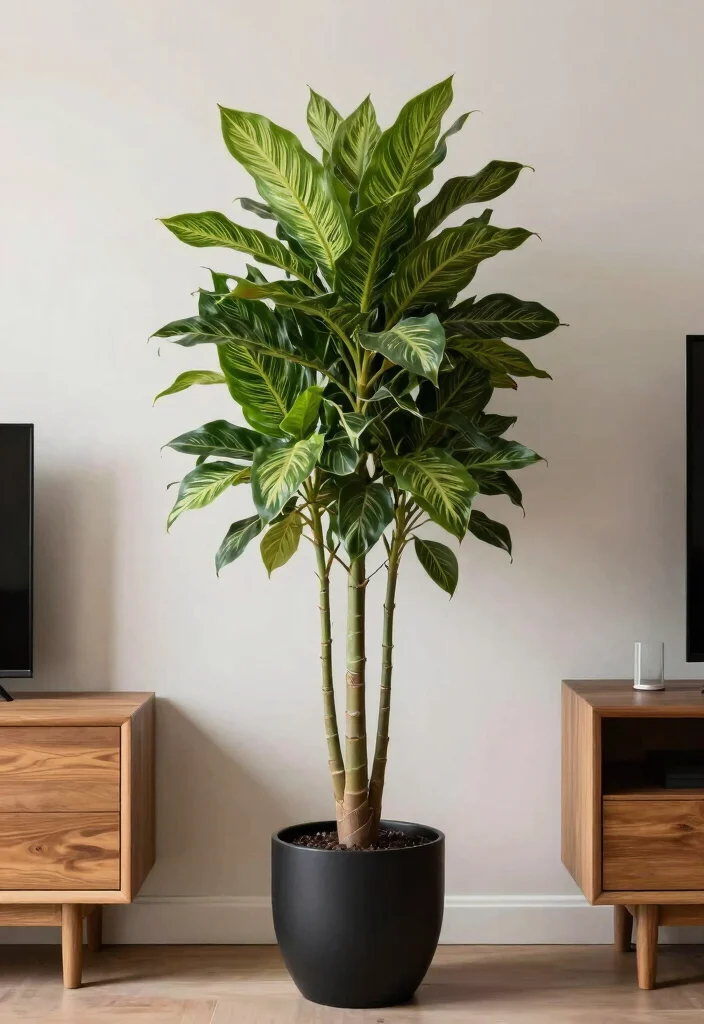
Dracaena plants, often referred to as corn plants, are admired for their striking tall growth and vibrant foliage. With various species available, each offers unique leaf patterns and colors, adding visual interest to your home. Dracaenas thrive in low to bright indirect light and require minimal watering once established.
Known for their air-purifying capabilities, dracaenas help reduce indoor toxins, enhancing air quality. These plants serve as elegant floor plants, making a bold statement in your decor.
Maximize your dracaena’s impact with these tips:
– Rotate regularly for balanced growth
– Use a decorative pot that complements your style
– Monitor watering to prevent leaf browning
– Incorporate them into a plant grouping for a lush effect
With their unique aesthetic and air-cleaning benefits, dracaenas enrich your home while elevating your decor.
Dracaena can reach up to 6 feet indoors, turning your space into a bold focal point with minimal effort. They thrive in low to indirect light and only need watering when the soil dries. Plus, they help filter indoor toxins, boosting air quality for indoor plants for home.
10. Chinese Evergreen
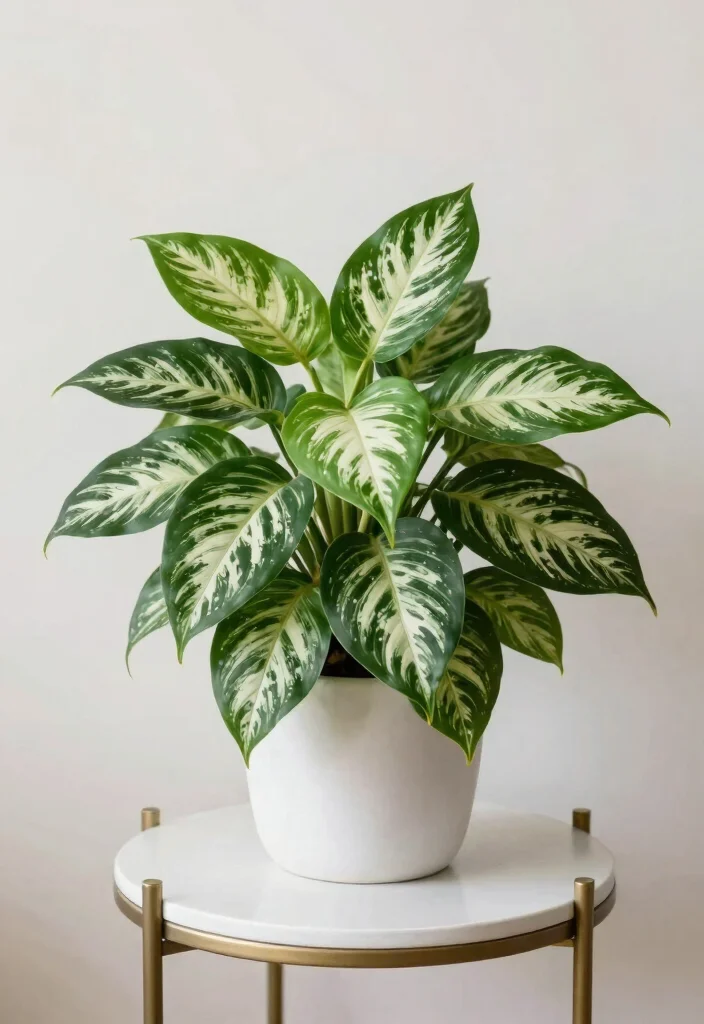
Chinese evergreens are perfect for introducing color and texture into your home. Their variegated leaves and ability to thrive in low light make them an excellent choice for both beginners and experienced plant lovers. These plants prefer to dry out between watering and enjoy a humid environment.
With their air-purifying properties, Chinese evergreens enhance indoor air quality, making them a valuable addition to your home. They can be used as statement plants or grouped with others to create a lush, layered effect.
Here are some tips to care for your Chinese evergreen:
– Wipe leaves occasionally to remove dust
– Keep away from direct sunlight to prevent leaf burn
– Use a well-draining potting mix
– Incorporate them in decorative arrangements for added flair
With their captivating foliage and air-cleaning qualities, Chinese evergreens not only beautify your interior but also contribute to a healthier living environment.
Chinese Evergreen
Editor’s Choice


11. Calathea
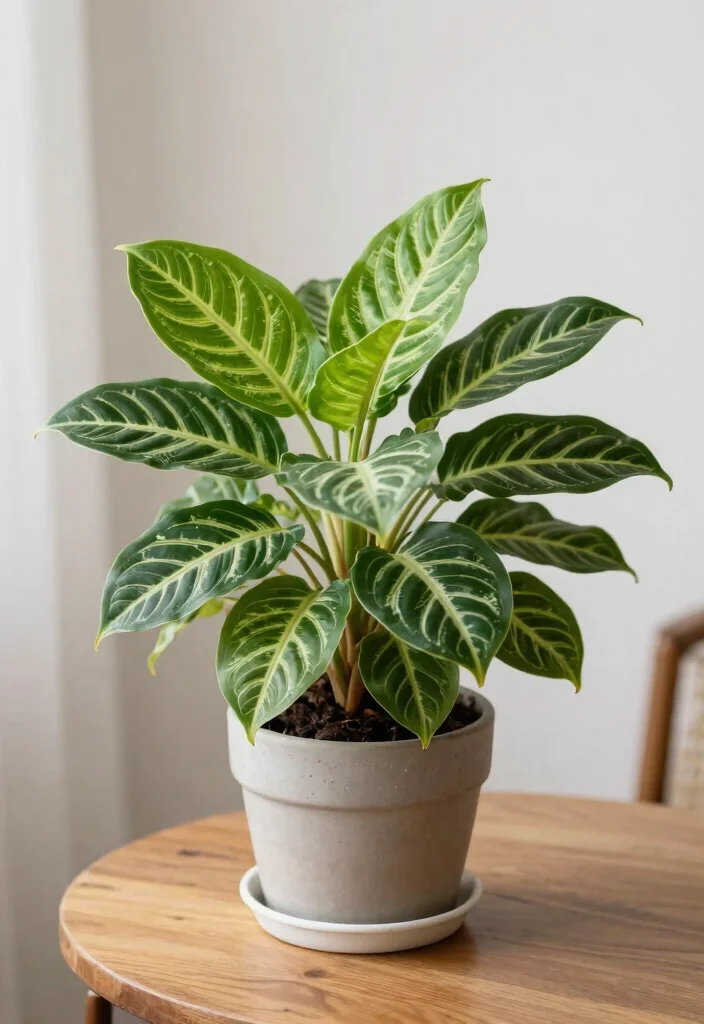
Calathea plants are truly captivating with their intricately patterned leaves, adding a touch of the tropics to your home. Thriving in indirect light and requiring consistent moisture, they are ideal for spaces like kitchens or bathrooms where humidity is naturally higher.
Not only are Calathea plants visually stunning, but they are also non-toxic, making them safe for pets and children. Their unique leaf movements, which fold up at night, add an interactive element to your living space.
To keep your Calathea thriving, try these tips:
– Mist the leaves regularly to maintain humidity
– Avoid direct sunlight to protect leaf patterns
– Use a well-draining potting mix for optimal growth
– Position them in a bright spot with indirect light
With their eye-catching aesthetics and gentle nature, Calathea plants enhance your decor while promoting a lively atmosphere.
12. Aloe Vera
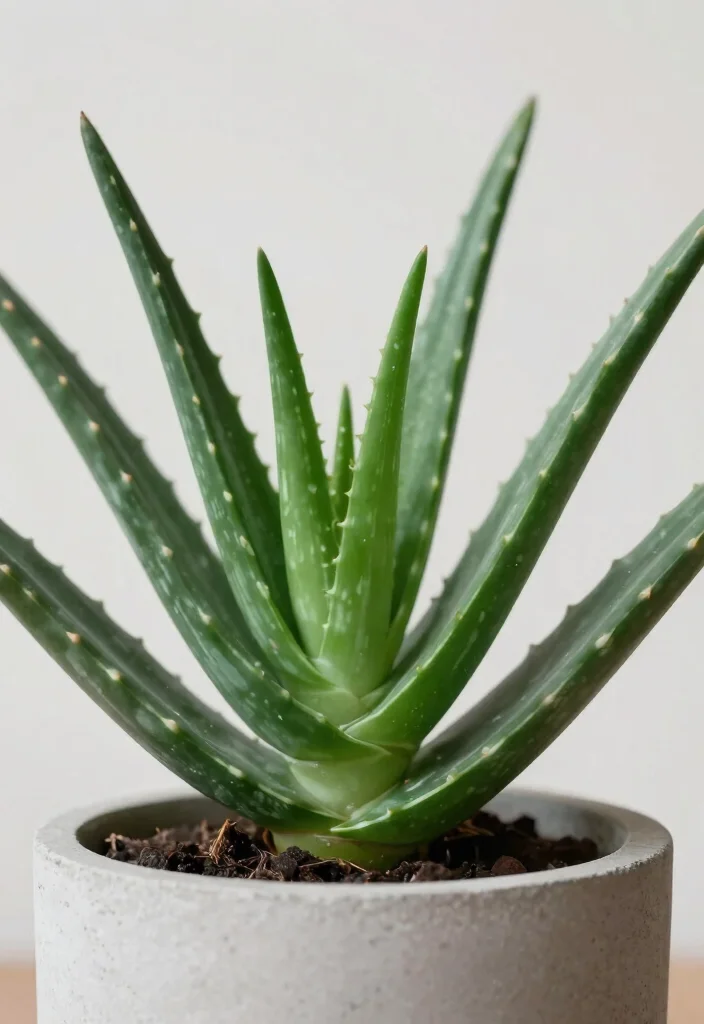
Aloe Vera is a popular choice not just for its striking appearance but also for its medicinal properties. The fleshy, spiky leaves store water, allowing this drought-tolerant plant to thrive in bright, indirect light.
Known for its soothing gel, Aloe Vera is fantastic for healing minor burns and cuts, making it a practical addition to your home. Its sleek look adds a modern touch to any decor.
Consider these care tips for your Aloe Vera:
– Water sparingly, allowing soil to dry out completely
– Place it in a sunny windowsill for optimal growth
– Use a decorative pot to enhance its beauty
– Trim any dead leaves for a neat appearance
With its beauty and functionality, Aloe Vera not only enriches your decor but also serves as a natural remedy, making it a valuable plant for any home.
Aloe Vera
Editor’s Choice




13. Barrel Cactus
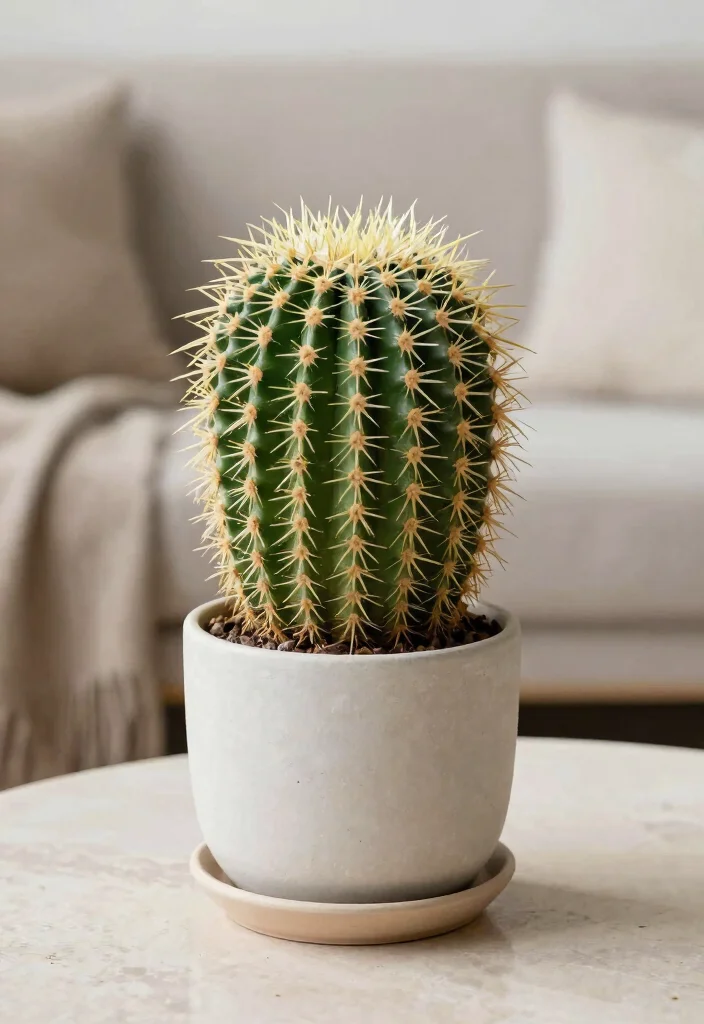
If you’re in search of a low-maintenance indoor plant that stands out, the barrel cactus is an excellent option. Its round shape and spiky texture create a striking contrast with softer greens, adding character to your home. Barrel cacti thrive in bright light and require minimal watering, making them perfect for those who may forget to care for plants.
This plant brings a touch of the desert into your living space and serves as a great conversation starter. Plus, they’re generally safe for pets and children.
To care for your barrel cactus effectively, keep these tips in mind:
– Water sparingly, allowing the top few inches to dry out
– Ensure ample sunlight for healthy growth
– Use a well-draining pot to prevent rot
– Incorporate it into a succulent arrangement for added flair
With their unique aesthetic and easy care, barrel cacti not only beautify your space but also add an intriguing element to your decor.
14. ZZ Plant
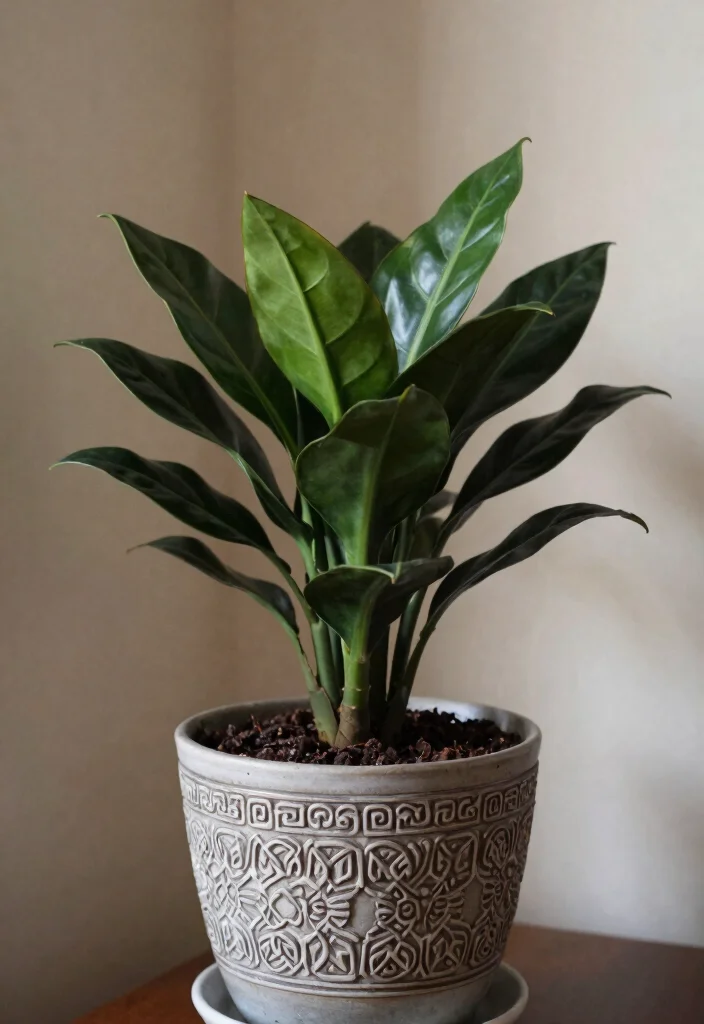
The ZZ plant, with its glossy, dark green leaves, is another fantastic option for those seeking sustainability in their home. Renowned for its tolerance to low light and drought conditions, it’s ideal for busy households or those new to plant care.
Beyond its easygoing nature, the ZZ plant also purifies the air, contributing to a healthier living environment. It works wonderfully as a decorative piece on shelves or as a floor plant, adding a sleek touch to your decor.
To maintain your ZZ plant effectively, consider these suggestions:
– Allow soil to dry out completely before watering
– Dust the leaves occasionally to keep them looking fresh
– Use a stylish pot to enhance its appeal
– Position it in low-light areas for best results
The ZZ plant not only adds elegance to your space but also supports improved air quality, making it a wise choice for any indoor setting.
15. Croton
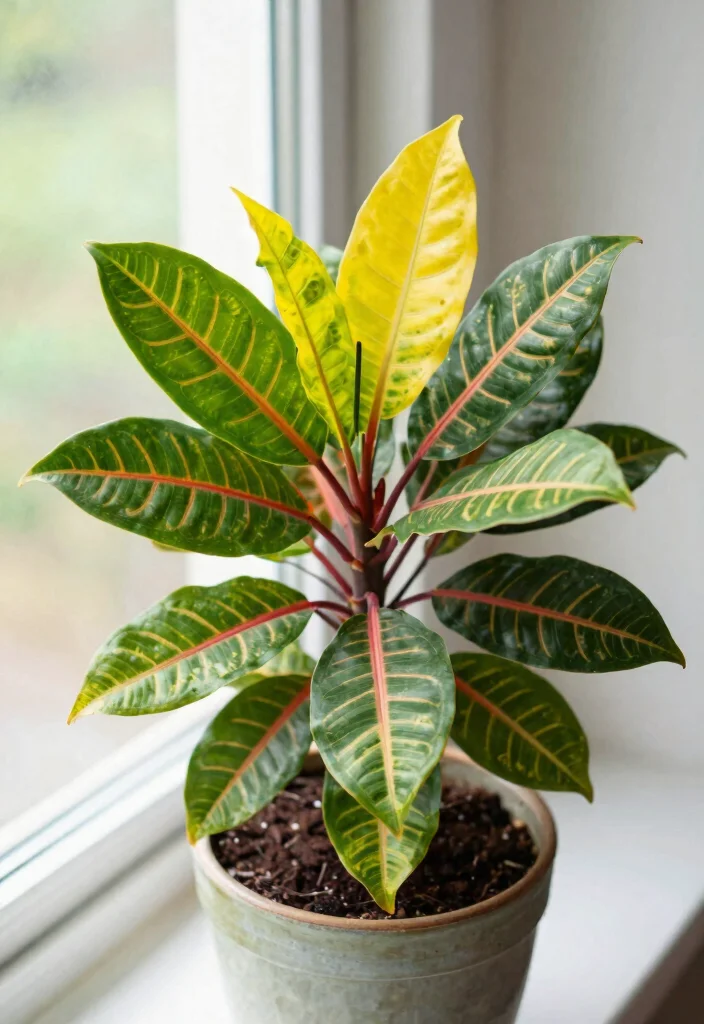
Croton plants are celebrated for their vibrant and colorful foliage, featuring striking combinations of green, yellow, and red. These eye-catching plants thrive in bright, indirect sunlight and require regular watering to maintain consistently moist soil.
Crotons not only brighten up your home decor but also help improve air quality. They are ideal for living rooms or entryways, serving as stunning focal points that draw attention.
To ensure your croton thrives, follow these tips:
– Keep away from cold drafts to prevent leaf drop
– Maintain higher humidity for optimal health
– Rotate the plant regularly for even growth
– Incorporate it into a vibrant plant arrangement for added impact
With their striking appearance and air-purifying benefits, crotons not only beautify your space but also promote a healthier atmosphere.
16. Parlor Palm
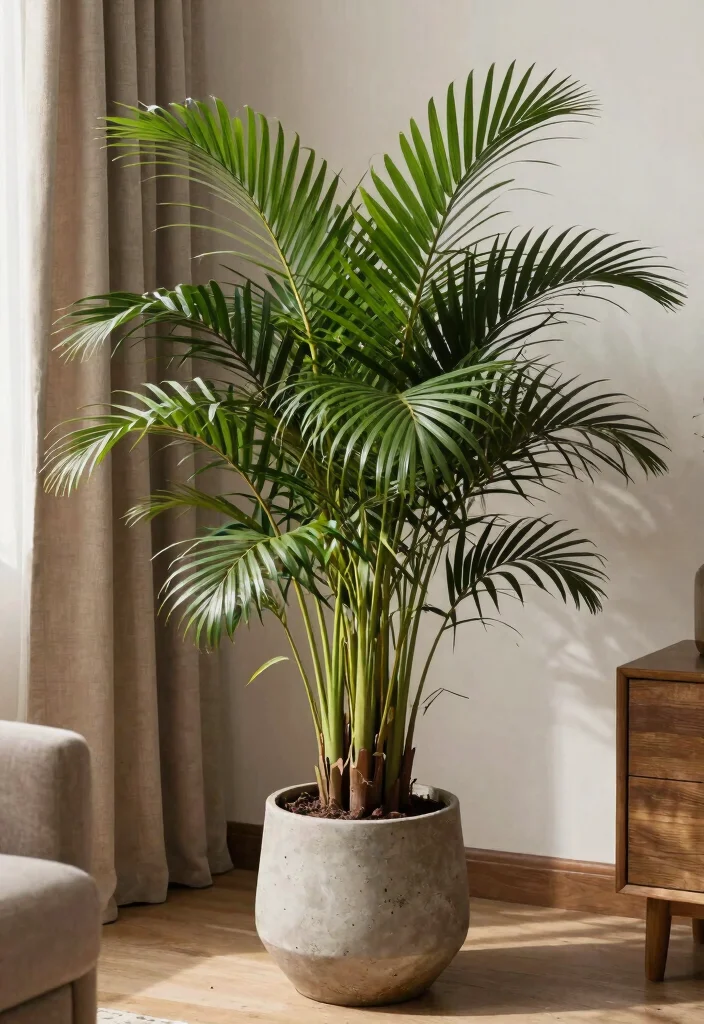
Parlor palms are classic indoor plants known for their graceful fronds and ease of care. They thrive in low to moderate light conditions, making them perfect for dimly lit rooms. Parlor palms also help to purify the air, making them great companions for healthier living spaces.
Their elegant appearance brings a tropical vibe to your home, enhancing your decor without overwhelming the space. They do well in pots of varying sizes, so they’re versatile for any room.
To care for your parlor palm effectively, consider these ideas:
– Water when the top inch of soil feels dry
– Dust the leaves regularly to maintain their shine
– Use a decorative pot that complements your decor
– Position them near light sources for optimal growth
With their charming presence and air-cleaning properties, parlor palms enrich your home while adding a touch of elegance.
Fun fact: Parlor palms can reach 4-6 feet tall indoors, even in low light. They’re natural air purifiers, helping remove common pollutants while you enjoy a tropical vibe. A versatile, easy-care choice among indoor plants for home that fits pots of any size.
17. Philodendron
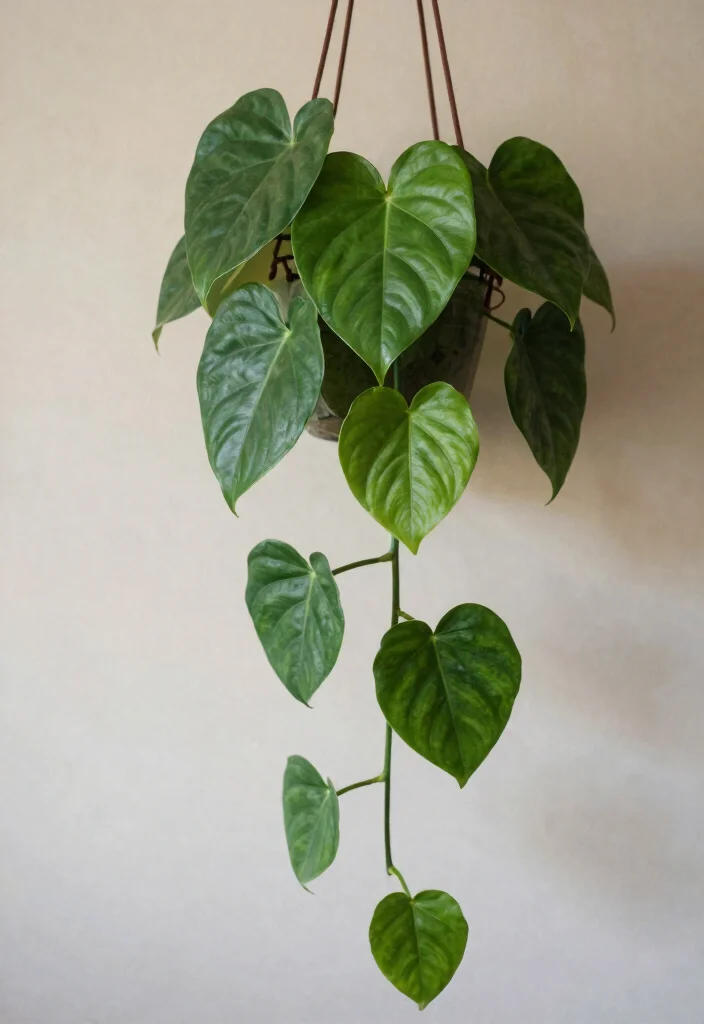
Philodendron plants are adored for their heart-shaped leaves and low-maintenance nature. With various species offering unique leaf shapes and colors, they adapt beautifully to different decor styles. These plants thrive in indirect light and prefer to be watered when the topsoil is dry.
Their ability to filter and purify indoor air makes them a beneficial addition to your home. Philodendrons can be used in hanging planters or as climbing plants with support, adding versatility to your decor.
To maximize your philodendron’s beauty, follow these tips:
– Use a well-draining soil mix for optimal health
– Avoid overwatering to promote healthy growth
– Prune occasionally to encourage bushier growth
– Incorporate them into mixed plant arrangements for added interest
With their charming aesthetics and air-purifying qualities, philodendrons not only beautify your space but also enhance your indoor air quality.
18. Cast Iron Plant
True to its name, the cast iron plant is exceptionally hardy and can tolerate a range of conditions, making it ideal for busy households. With its rugged, green leaves, it thrives in low light and withstands neglect, proving to be almost indestructible.
The cast iron plant adds a touch of elegance to any room while helping to purify the air. It works well in darker spaces where other plants may struggle, providing greenery where needed most.
To care for your cast iron plant effectively, keep these tips in mind:
– Water sparingly, as it prefers to dry out between waterings
– Place it away from direct sunlight to avoid leaf burn
– Dust leaves occasionally to keep them looking fresh
– Consider using it in low-light areas for best results
With its resilience and air-cleaning properties, the cast iron plant not only enriches your decor but also brings a refreshing touch to your indoor environment.
Cast Iron Plant
Editor’s Choice


19. Money Tree
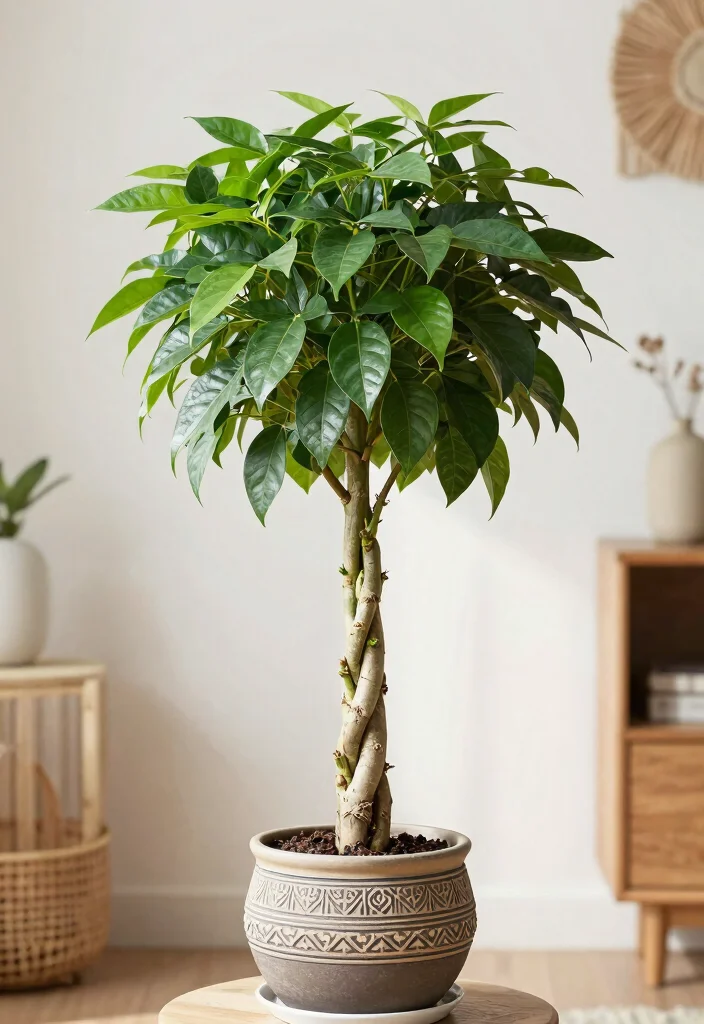
The money tree is not just a beautiful plant; it’s also associated with good fortune and prosperity. Its braided trunk and lush, vibrant foliage symbolize abundance, making it a charming addition to your home.
Money trees thrive in bright, indirect light and require consistent moisture, making them relatively easy to care for. They also contribute to cleaner air, promoting a healthier living environment.
To maximize your money tree’s potential, consider these tips:
– Avoid overwatering; let the soil dry slightly between waterings
– Rotate regularly for even growth
– Use a decorative pot that enhances its beauty
– Position it in a well-lit area for optimal health
The money tree not only serves as a stunning decor piece but also supports a positive atmosphere in your home.
Conclusion
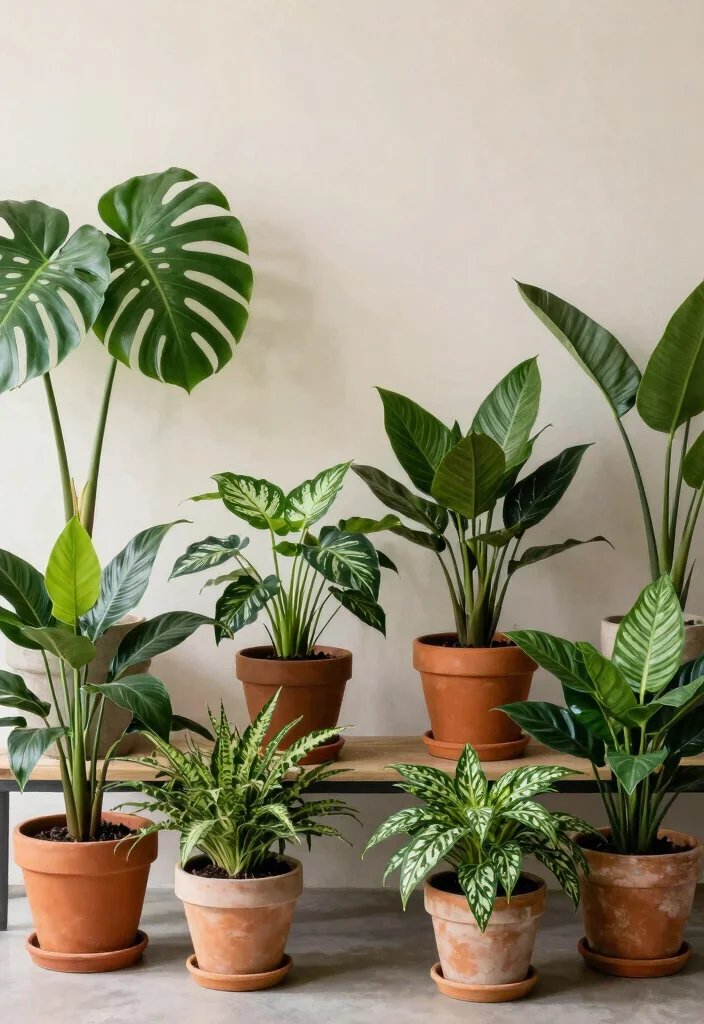
Bringing indoor plants into your home is a wonderful way to embrace sustainable living while enhancing your decor. From the resilient snake plant to the stunning Calathea, each of these 19 sustainable indoor plants offers unique benefits and style. They not only add vibrancy but also contribute to a healthier indoor environment. By choosing the right plants for your space, you can create a greener home that reflects your personality and values.
So, which of these beautiful plants are you excited to welcome into your home? Let your indoor garden thrive and enjoy the countless benefits these green companions bring!
Note: We aim to provide accurate product links, but some may occasionally expire or become unavailable. If this happens, please search directly on Amazon for the product or a suitable alternative.
This post contains Amazon affiliate links, meaning we may earn a small commission if you purchase through our links, at no extra cost to you.
Frequently Asked Questions
Which indoor plants for home are the most sustainable and easy to care for?
Choosing the right indoor plants for home that are sustainable means picking varieties with low water needs, good resilience, and a small ecological footprint. Go for low-maintenance options that thrive in typical home light, like snake plant, pothos, ZZ plant, or spider plant — known for being eco-friendly and great air purifiers.
Tip: match plant choices to your light, water only when the soil is dry, and reuse containers or choose recycled pots to reduce waste. With a little care, you can enjoy vibrant greenery without sacrificing sustainability.
How can I make my indoor plant setup more eco-friendly for my home décor?
Turn your plant display into a truly eco-friendly feature by choosing sustainable containers (terracotta, bamboo, or recycled materials), avoiding single-use plastics, and repurposing jars as planters. If you need extra light, use energy-efficient LED grow lights and collect rainwater or use a water-wise watering routine to minimize waste. Group plants with similar needs to save energy and keep maintenance manageable. This approach keeps your home décor green and stylish at the same time.
Do indoor plants really improve air quality and well-being at home?
Absolutely. Many indoor plants help filter certain pollutants and raise humidity, which can make rooms feel fresher and more comfortable. Place a few appropriate plants in living areas and bedrooms to maximize impact. Remember, they’re not a substitute for ventilation, but they complement it while boosting your mood and a sense of well-being through daily care. Ready for a small daily ritual? Water, wipe leaves, and step back to enjoy the greenery in your eco-friendly home.
How often should I water and care for indoor plants to keep them thriving?
Watering frequency depends on plant type and home conditions, but a practical rule is to check the soil moisture weekly and water when the top inch feels dry. The frequency varies by species and conditions (light, humidity, pot size). Pick a routine: water thoroughly until water drains, discard excess, and let soil dry a bit before the next drink. Clean leaves monthly to help photosynthesis, rotate pots every few weeks for even growth, and fertilize lightly with an organic fertilizer during the growing season. With a simple calendar, you’ll keep many indoor plants for home healthy without waste.
What should a beginner look for when choosing sustainable indoor plants for home décor?
Start with plants that are forgiving and suit your space. Look for low-maintenance, tolerant of low light, and drought-resistant varieties, preferably labeled eco-friendly or grown in sustainable nurseries. Read care tags, ask your local nursery about regional options, and avoid purchases that require frequent repotting or high water. Begin with 1–2 easy plants, place them where you’ll see them daily, and gradually expand your greenery as you gain confidence.
Related Topics
indoor plants
sustainable living
eco-friendly decor
home greenery
low maintenance
air purifying
beginner friendly
houseplant care
natural decor
biophilic design
small space gardening
home wellness